The SPACE (Study on the Payment Attitudes of Consumers in the Euro area) survey, conducted every three years by the NBB, provides an overview of payment methods for individuals in Belgium. The results show that cash continues to lose ground: it now represents 34% of in-store purchases, compared to over 45% two years ago and 63% in 2016. Belgium is thus among the countries where cash is least used, just after the Netherlands (18%), Luxembourg (32%) and Finland (31%). On average in the euro area, 44% of purchases are still made in cash.
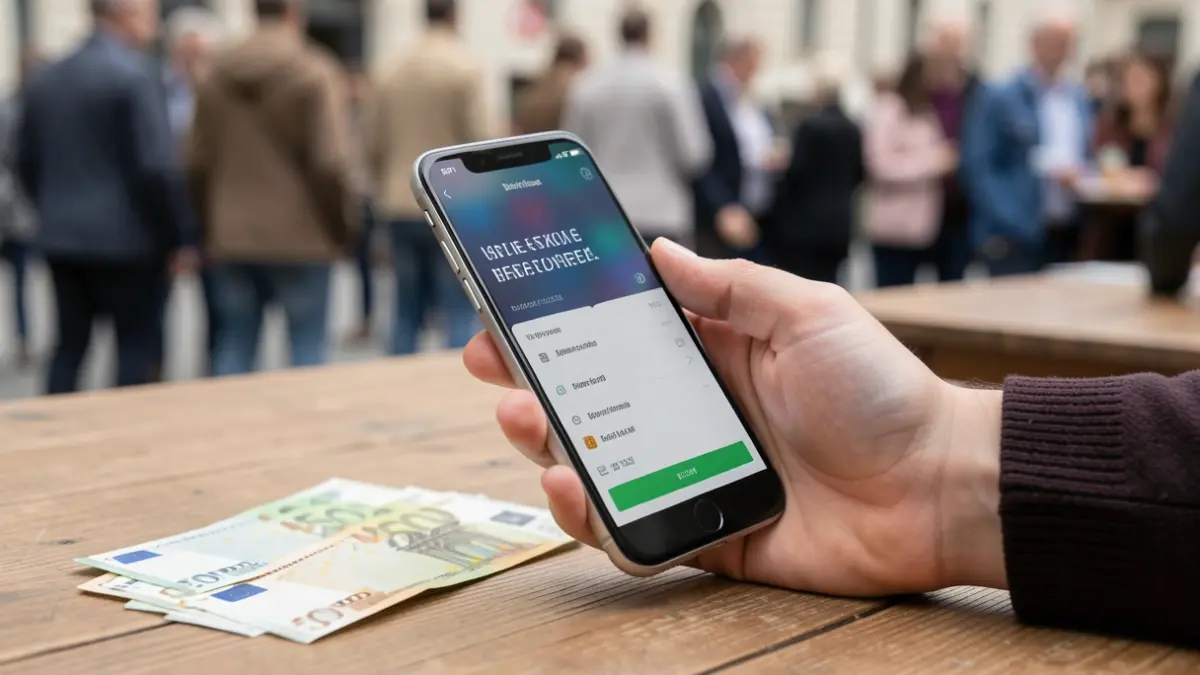
The payment card remains the leading digital method in Belgium, used for 52% of in-store purchases, far ahead of smartphones (5%). This proportion is lower than the euro area average (9%) and far below the Netherlands (27%). For peer-to-peer transactions, cash is still preferred in 35% of cases. Despite this digitalisation, Belgians still attach importance to cash: 28% consider it 'very important' and 34% 'quite important', citing anonymity and spending control as main advantages.
Access to cash remains a major source of frustration. 22% of Belgians find it difficult, or very difficult, to withdraw cash, a rate higher than the euro area average (15%) and slightly down from 2024 (27%). Nearly a quarter of respondents encountered a problem during a withdrawal or at a bank branch during the past year (out of order machine, absence of branch, etc.). Furthermore, Belgium is in the top 3 of countries where cash is not always accepted despite the legal obligation, with 88% of shops accepting cash compared to 93% in the euro area.
Finally, cryptocurrencies are not seeing a significant breakthrough. 12% of Belgians hold crypto-assets, a figure stable compared to three years ago. These assets are primarily considered speculative investments, with only 16% of holders using them to make payments.