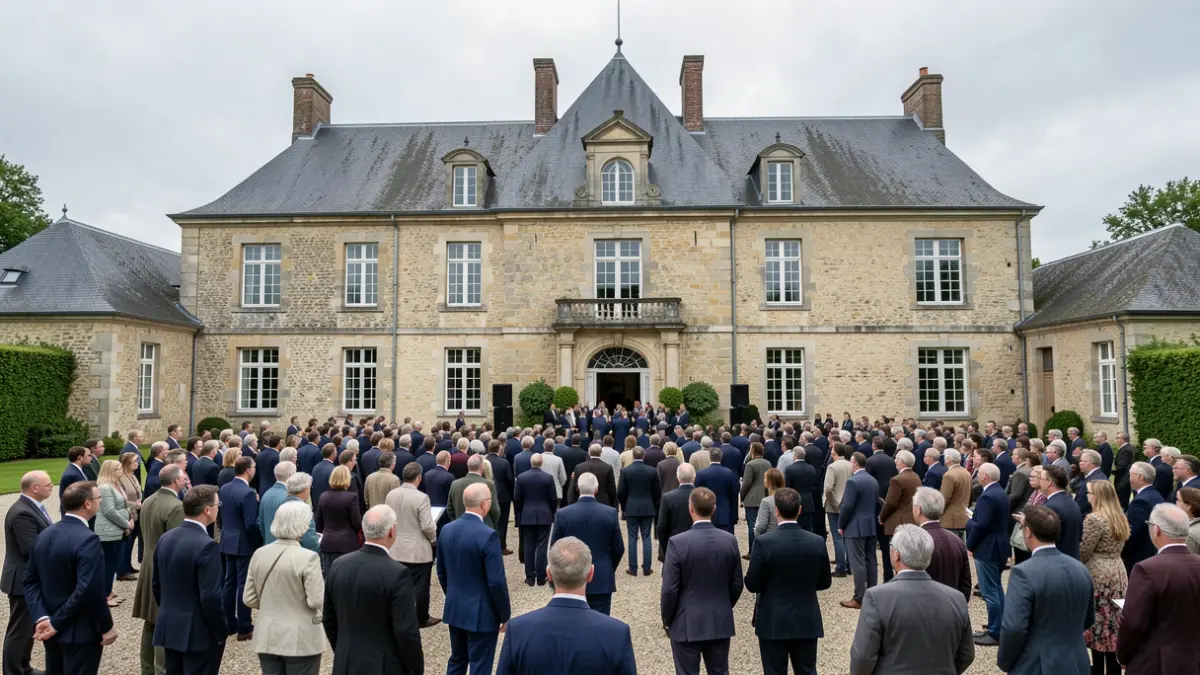
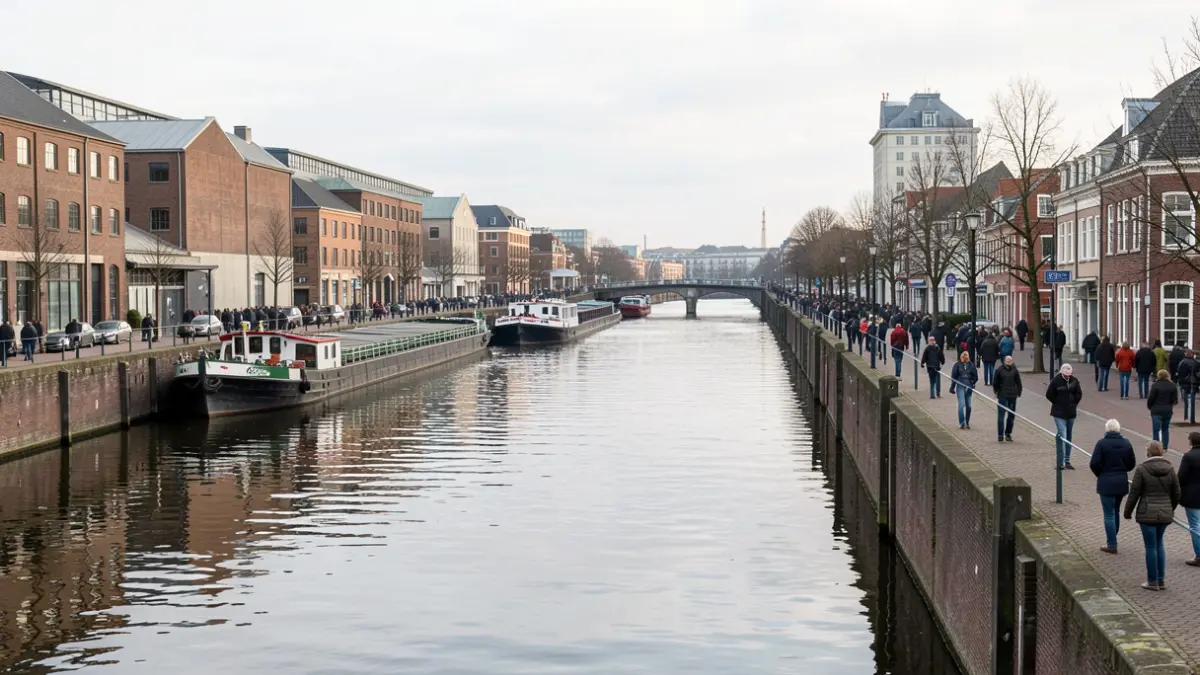
The canal, described as a "strategic economic axis" by Jan De Brabanter, vice-president of the Brussels Port Authority (CPB), is central to discussions aimed at reviving industry in Brussels. During a conference held at the Solvay site, participants explored how this ecosystem, encompassing logistics, construction, recycling, and the circular economy, can leverage European connections via waterways, while reducing reliance on road transport.
Lisa Isnard, Secretary-General of Beci, highlighted the urgency to act as some companies are relocating their activities. The "Ernest" support plan aims to pool resources and flows within industrial sites, such as at the Port's TIR Centre, fostering new value chains through proximity. She stressed the need to preserve industrial and port land amidst pressure from housing and collective facilities.
The "competitiveness package," proposed by Beci, could offer a 25% reduction in professional withholding tax for companies investing in Brussels and creating local jobs. The CPB requests the extension of this benefit to all industrial and port areas to clearly signal the welcome for industry in the Region.
Pieter-Jan Indemans from Ceres and Sven De Meuter, CEO of De Meuter Recycling, reiterated that land availability, accessibility, costs, energy, and regulations are crucial factors influencing long-term investment decisions.
Laurent Hublet, Brussels Minister for Employment, Economy, and Digital Economy, notes Brussels' economic lag over the past twenty years and calls for redeployment. He emphasizes the city's assets: its strategic location, available land, and young population. Re-industrialization should diversify the economy and job opportunities, shifting from a subsidy-based approach to one focused on competitiveness, notably through the competitiveness pact and economic acceleration zones.
Laurent Hublet advocates for a 25-year vision, viewing the canal and rail as structuring assets to connect activity zones to European networks. Multimodality (water, rail, road) must be optimized based on flows.
Audrey Henry, Brussels State Secretary for Urbanism, prioritizes administrative predictability for investment projects. The revision of the PRAS (Regional Land Use Plan) from 2001 aims for clearer territorial planning, and she advises against systematic mixing in purely industrial zones. Streamlining permits and extending the competitiveness pact to industrial and port areas are also highlighted.
Laurent Schiltz from Embuild.Brussels, Damien Moulin from CCB, and Bert Calluy, General Counsel of Van Moer Logistics, brought the debate back to operational realities. The canal is essential for material transport, offering an alternative to road. The economic equation of modal shift and waterway competitiveness are key challenges for investment decisions.
Alphonse Stevens, president of the CPB, called for translating findings into concrete perspectives. Industrial renaissance encompasses food, materials, recycling, logistics, and the circular economy. Brussels possesses assets like its waterway, rail network, expertise, and its position as a crossroads city, with the canal serving as a guiding thread for economic development, employment, and urban transformation.